
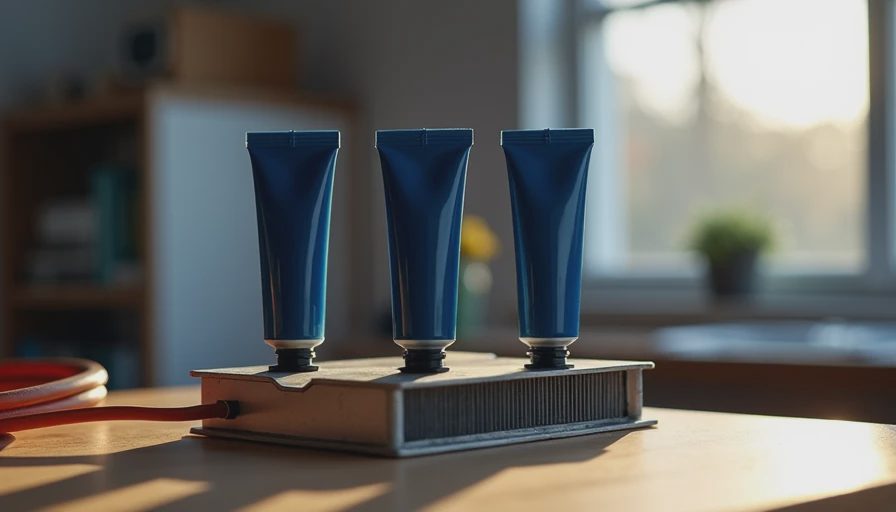
The Tiny Tube That Gets Too Much Attention
Thermal paste is one of those components that attracts strong opinions and strong marketing. Premium tubes promise lower temperatures, longer life, and “pro-level” performance. Budget options are dismissed as adequate at best. In a controlled lab with precision equipment the differences can be measured. In a real garage with a normal family PC, the practical question is simpler: does the expensive paste make a difference you will actually notice or benefit from over years of use?
I decided to find out the low-tech way. Same CPU, same cooler, same case, same ambient conditions, different pastes. No soundproof chamber, no $20,000 thermal camera—just the tools and environment most people actually have.
The Test Setup
I used a mid-range desktop CPU under a common tower air cooler inside a typical mid-tower case with standard airflow. Ambient temperature in the garage stayed between 74–78 °F during the runs. Each paste was applied with a simple pea-sized method, the cooler was mounted with consistent pressure, and the system was given time to stabilize.
I recorded:
Idle temperatures
Sustained load temperatures after 20 minutes of a realistic multi-core workload
Noise levels at the same fan curve
How easy the paste was to apply and clean
The goal was not to crown a laboratory champion. It was to see whether the price differences translated into meaningful real-world gains for a machine that lives in a house rather than on a review bench.
What the Numbers Actually Showed
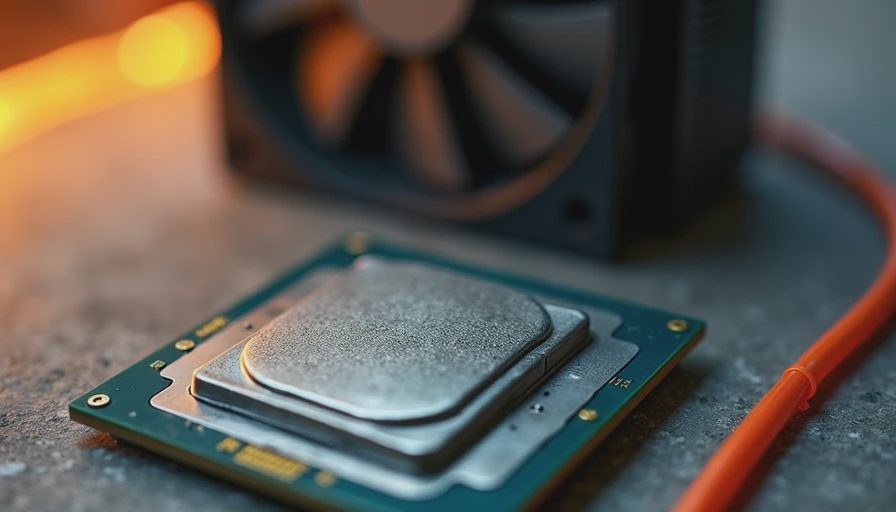
The spread between the cheapest reputable paste and the most expensive “enthusiast” paste was smaller than most marketing suggests.
At idle the differences were essentially noise—one or two degrees at most, well within normal variation. Under sustained load the better mid-range and premium pastes pulled ahead by roughly 2–5 °C compared with the basic options. That is measurable. It is also rarely decisive for a family or home-office CPU that is not being pushed to its absolute limit for hours.
Fan noise did not change in any practical way. Because the cooler’s fan curve was left identical, the small temperature differences did not trigger higher fan speeds under the workloads this kind of machine actually sees.
Application and cleanup told a clearer story. Some premium pastes were thicker and messier; a couple of budget options were easier to spread evenly and clean off later. Ease of use matters more when you are the one doing the work on a workbench instead of watching a polished video.
What Matters More Than the Paste Brand
After repeating the tests and looking back at years of client machines, a few factors consistently outweigh the choice of paste:
Cooler mounting pressure and contact
A properly installed cooler with even pressure beats an expensive paste under a poorly seated cooler every time.
Case airflow and dust management
A clean filter and decent intake/exhaust path keep temperatures in check far more effectively than a 3 °C paste advantage.
Realistic workloads
Most family and office CPUs spend the majority of their time well below the thermal limits that make paste differences dramatic.
Longevity and dry-out
Any decent modern paste from a known brand lasts years under normal desktop conditions. The catastrophic dry-out stories usually involve very old compounds, extreme heat, or poor application.
In short, the paste is rarely the limiting factor once you are using a reputable product and installing it correctly.
Practical Recommendations
For a typical family desktop, quiet home-office machine, or first PC for a kid:
A mid-range paste from a known brand is more than sufficient.
The premium tubes are not a waste if you already own them or prefer them, but they are not required for good results.
Focus attention on clean mounting, good cooler choice, and case airflow—these deliver larger and more lasting gains.
Re-pasting every few years is optional for most machines that stay within normal temperatures; it is not a mandatory ritual.
I now keep a reliable mid-range tube on the bench and stop thinking about it. The time and money once spent chasing the “best” paste go toward better power supplies, cleaner cases, and proper coolers instead.
Real Garage Takeaway
The expensive thermal paste did perform slightly better under load. The difference was real and repeatable. It was also smaller than the difference made by reseating the cooler properly or cleaning a dusty filter. For the workloads and environments this site cares about, that puts paste choice in the “nice to get right, not worth stressing over” category.
Buy a decent tube, apply it cleanly, mount the cooler evenly, and move on to the parts that actually decide whether the machine stays quiet and reliable for years.
Build it once. Build it right. And do not let a five-gram tube become the most complicated decision in the build.