A Saturday Among the Makers
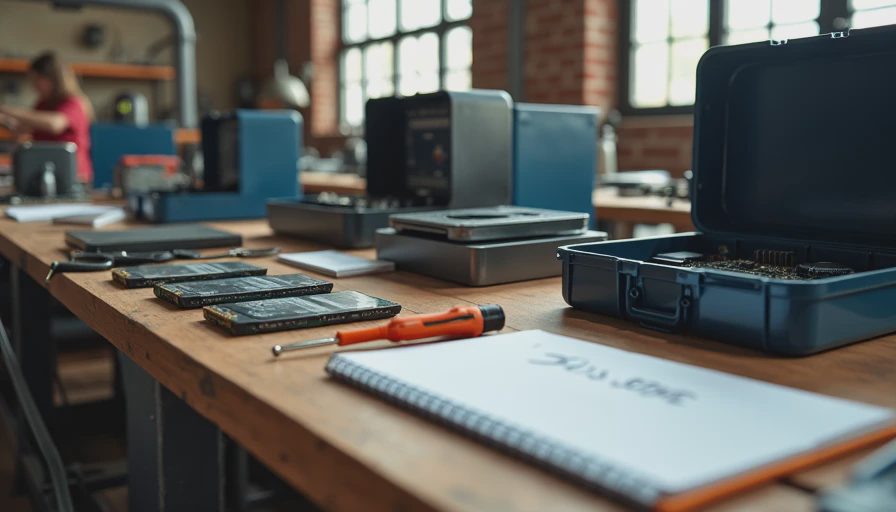
Austin has no shortage of tech events that feel like corporate keynote rehearsals. The local maker fair is the opposite. It fills a warehouse or fairground with people who build things because they want to, not because a marketing calendar told them to. I went with no agenda beyond walking the aisles, talking to anyone who had a soldering iron still warm, and seeing what a city full of tinkerers was actually making.
What I found was more useful than most product launches. People were solving small, real problems with parts they already had or could buy without a purchase order. The atmosphere felt closer to a well-organized garage than to a trade show floor.
The Projects That Stuck With Me
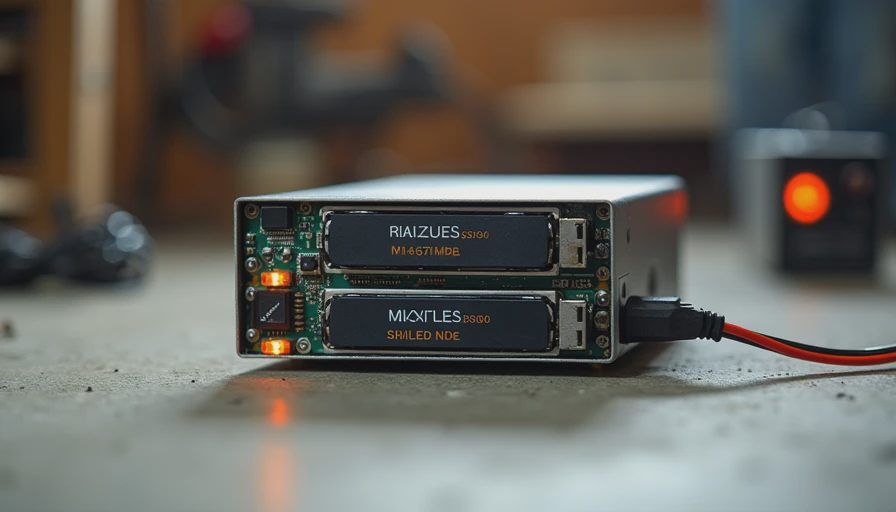
A retired engineer had converted a pair of old enterprise SSDs and a low-power board into a silent home backup appliance that sipped power and sat in a closet. No RGB, no cloud subscription, just a reliable box that did one job well. We talked about thermal throttling and the value of leaving headroom in a power supply—conversation that could have happened on my own workbench.
Another table showed a compact CNC machine built mostly from scavenged stepper motors and aluminum extrusion. The builder’s notes were handwritten and honest about the iterations that failed. That kind of documentation is rarer than it should be and far more helpful than polished marketing sheets.
A small group had set up a repair station for old laptops and mini-PCs. They were not restoring collectibles; they were putting working machines back into the hands of students and neighbors. Watching someone diagnose a failed power jack with basic tools was a quiet reminder that longevity is often a maintenance habit more than a component specification.
What the Fair Revealed About Real Builders
The most consistent theme was reuse and constraint. Almost every interesting project started with a limitation—budget, space, leftover parts, or the simple desire not to buy something new if an older piece could be made to work. Those constraints produced cleaner designs than unlimited budgets often do.
People were also comfortable showing unfinished work. Half-built controllers, prototype enclosures with visible tool marks, and firmware that still needed polish were on display without apology. That openness made the event feel like a working session rather than a showroom.
I noticed how few of the projects depended on the absolute newest silicon. Older CPUs, surplus power supplies, and previous-generation storage appeared everywhere. The builders cared more about whether the finished object solved the intended problem than about whether the parts list would impress a benchmark chart.
Conversations That Felt Familiar
I ended up in a long talk with a father who had built a quiet study PC for his kids using many of the same priorities I write about—adequate RAM, a calm cooler, a case that could be dusted easily. He had never read this site, yet the logic was identical. Reliability and low noise were not niche concerns; they were simply what made sense when a computer had to live in a real house.
Another builder was working on a low-power home server for family photos and media. We compared notes on hard-drive choices for bulk storage and the value of keeping the operating system on a modest SSD. The details differed; the underlying approach did not.
These conversations reinforced something I already believed: the useful ideas in PC building travel farther through practical experience than through marketing cycles.
What I Brought Back to the Garage
I left with three concrete reminders:
Document the ugly versions. The failed brackets and revised cable routes are often more instructive than the final photos.
Leave margin in power and cooling even when the spreadsheet says you do not need it. Real rooms and real dust are less forgiving than test benches.
Finish the project. A working, imperfect machine that is actually in use beats a perfect plan that stays on the workbench.
I also came home with a renewed appreciation for the local scene. Austin has plenty of loud tech. The quieter makers who show up on a Saturday with something they built and are willing to explain are the ones worth paying attention to.
Final Notes from the Fairground
Events like this are useful calibration. They cut through the endless online arguments about the newest GPU or the highest core count and replace them with people who simply needed a thing to work and then made it work. The best tables were the ones that felt like extensions of ordinary garages—practical, slightly messy, and focused on results rather than appearances.
I will go back next year. In the meantime the garage bench is a little more crowded with ideas that do not require a product launch to be worth building.
Build it once. Build it right. And if you ever get the chance, go walk around a maker fair. The most useful tech is often the kind that never makes the keynote stage.