
The Build That Was Supposed to Be Simple
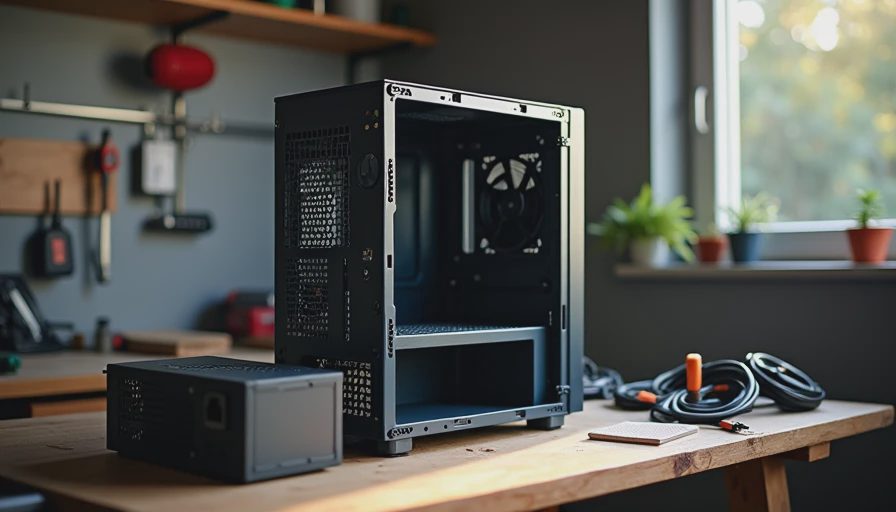
In early 2023 I had just left Dell and started taking a few local custom-build jobs from the garage. The first real paying customer wanted a straightforward family desktop: something quiet for homework, Zoom calls, and light evening use. Budget was reasonable. Parts list was conservative. I felt confident.
I ordered quality components, dry-fitted everything, and assembled the machine on a Saturday afternoon. It posted on the first try. Windows installed cleanly. Temperatures looked fine. I ran a short stress test, boxed it up, and delivered it with the usual “call me if anything feels off” instruction.
Two days later the call came.
What Actually Went Wrong
The machine would randomly shut down under light load. Not during a stress test—during browser use and a video call. Sometimes it recovered immediately; sometimes it needed a full power cycle. The customer was patient but clearly frustrated. I was embarrassed.
I brought the PC back to the garage and started the process every technician knows: re-seat RAM, check cables, update BIOS, swap the power supply, try different outlets, monitor temperatures and voltages. Everything looked normal until the failures happened again. The logs were sparse. The behavior was intermittent.
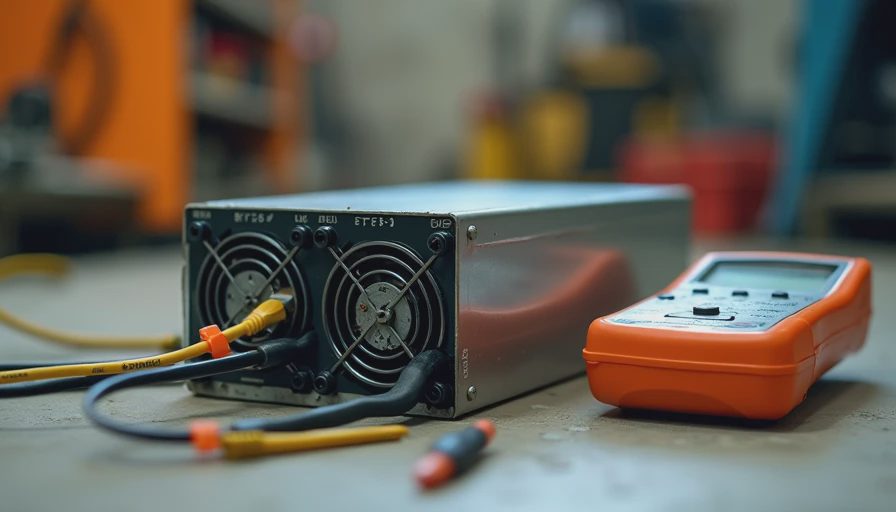
After several evenings of testing I finally caught the pattern. Under certain combinations of load and ambient temperature the system would brown out for a fraction of a second. The power supply I had chosen was a reputable mid-tier unit, but it was one of the early batches of that model. A firmware and component revision later fixed the issue for most users; this particular unit had the older behavior. It passed basic tests and then failed in real mixed-use conditions.
I replaced the power supply with a different model I trusted more, re-tested for two full days, and returned the machine. It has been running cleanly ever since.
The Lessons That Stuck
That single messy job changed how I build more than any successful delivery.
Trust but verify with real workloads.
Synthetic stress tests are useful. They are not sufficient. I now leave new builds running through a mix of browser sessions, video calls, file copies, and light creative work before they leave the garage. The failures that matter are often the ones that only appear under ordinary use.
Power supplies deserve extra skepticism.
Even “good” units can have batch issues. I started keeping a small set of known-good power supplies for swap testing and became more conservative about which models I would put in a customer machine. The few extra dollars and the extra verification time have prevented repeats of that first disaster.
Communication matters as much as the repair.
I kept the customer updated without making excuses. I owned the problem, explained what I was seeing, and made the fix at no additional cost. That honesty turned a potential negative review into a long-term client who has since referred others. People remember how you handle the bad moments more than the perfect ones.
Document everything.
I now photograph serial numbers, note BIOS versions, and keep a simple build log for every machine. When something goes wrong months later, that record saves hours of guesswork.
Build in margin.
The original system was adequate on paper. After the failure I started deliberately choosing power supplies with more headroom and coolers with quieter fan curves than the absolute minimum. The machines leave with more tolerance for dust, warmer rooms, and the way real families actually use them.
How the Garage Process Changed
Every build since that first one follows a longer checklist. Parts are tested before final assembly when possible. The finished system runs through a multi-day burn-in that includes ordinary desktop activity, not just maximum-load torture tests. I listen to the machine in the same room conditions it will live in. I clean the filters and verify cable management one final time before delivery.
None of these steps are dramatic. Together they have produced a simple result: zero warranty returns across the builds that followed. That record matters more to me than any single performance number.
What I Tell New Customers Now
I am open about the fact that hardware can still surprise you. I explain the testing process and the reasons certain parts are chosen. I also make it clear that if something does go wrong, the machine comes back to the garage until it is right. That transparency sets better expectations than promising perfection.
Most people do not need a flawless unboxing experience. They need a computer that keeps working after the novelty fades and a builder who still answers the phone when it does not.
Final Reflection from the Bench
That first customer disaster was painful and useful. It forced me to slow down, add verification steps I had been tempted to skip, and treat every machine as something that would live in a real house with real consequences when it failed. The process is longer now. The results are quieter, more reliable, and far less likely to generate late-night troubleshooting calls.
I still keep the old power supply on a shelf as a reminder. Every time I see it I remember that confidence without verification is just optimism, and optimism is not a build strategy.
Build it once. Build it right. And when it goes wrong anyway, fix it properly and learn the lesson so the next one does not repeat the same story.