
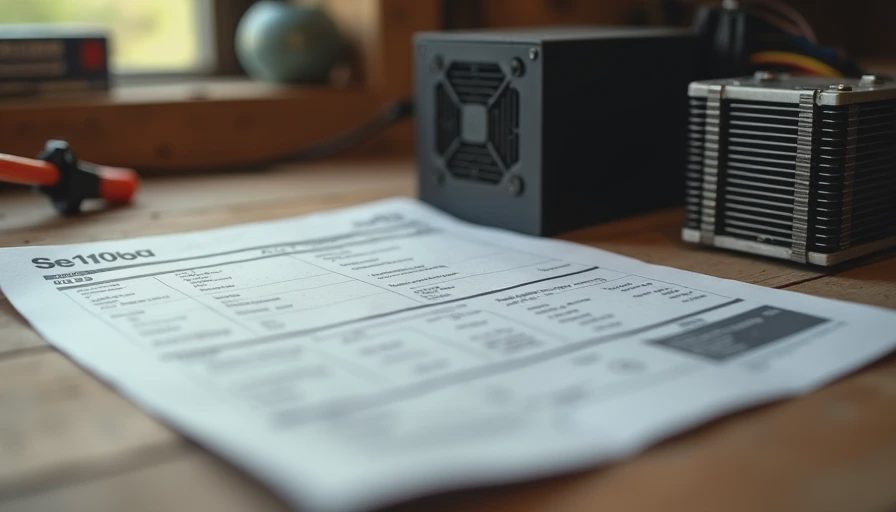
The Day the Spec Sheet Stopped Mattering
I still remember the first time a brand-new PowerEdge failed its own thermal test in a customer’s office. On paper the system was perfect: correct TDP, correct airflow numbers, correct everything. In the real room—with a slightly dirty filter, a 78-degree ambient temperature, and a power circuit that dipped every time the elevator ran—the machine throttled within forty minutes.
That was the day I stopped trusting the sheet and started trusting the room.
Spec sheets are written in controlled labs by people who need to sell the next revision. Real reliability is written by dust, heat, imperfect power, and the fact that nobody cleans a home PC as often as a data-center tech cleans a server. After eight years of Dell enterprise escalations, I can tell you the gap between those two worlds is wider than most buyers ever realize.
What the Numbers Quietly Leave Out
A power-supply efficiency rating is measured at ideal temperatures and perfect loads. It does not tell you how the unit behaves when the garage hits 95 degrees in August or when the machine sits at 40% load for twelve hours straight.
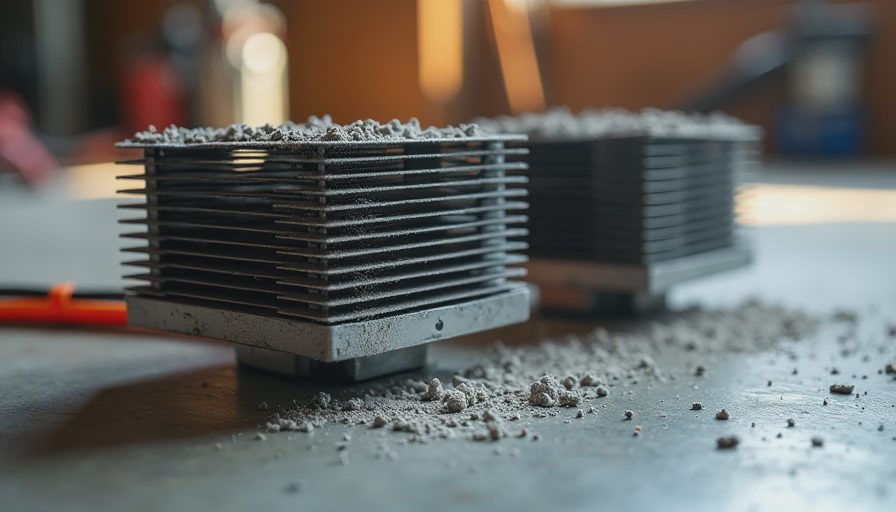
A CPU thermal design power assumes a specific cooler in a specific chassis with a specific ambient. It does not account for the case that looked cool on the shelf but has terrible rear exhaust, or the dust that accumulates on the fins after eighteen months of normal family use.
A motherboard’s “VRM rating” sounds impressive until you realize the marketing number was achieved with aggressive fan curves and a short test duration. In a quiet living-room build that same board can cook itself over three years of daily use.
The sheet is not lying exactly. It is simply answering a different question than the one you are asking. You are asking “Will this still work in my house in 2031?” The sheet is answering “Did this pass our lab test last Tuesday?”
The Failures That Never Show Up on Paper
I have seen more machines die from the parts nobody puts on the comparison chart than from the ones everyone argues about.
The cheap thermal paste that dried out and turned into chalk after two hot summers.
The case fans that were rated for 50,000 hours but were mounted with rubber grommets that hardened and started vibrating.
The power-supply cables that were technically within spec but ran just warm enough, for just long enough, to loosen a connector.
None of those failure modes appear in the bright marketing table. They only appear when the machine is sitting in a real room, breathing real air, and living with real people who do not treat their computer like a science experiment.
That is why enterprise hardware often looks boring on paper and then quietly outlasts the flashy consumer machines. The engineers who design it are forced to assume the worst realistic conditions instead of the best laboratory ones.
Translating Lab Numbers into Garage Reality
When I build for a family now, I treat every spec sheet as a starting point, never a finish line. I ask three extra questions the sheet will never answer:
How does this part behave when the ambient temperature is ten degrees higher than the lab?
What happens after two years of normal dust and the occasional pet hair?
Is the margin big enough that a slightly imperfect installation still leaves the system safe?
Those questions change the shopping list. Suddenly the power supply with the higher continuous rating becomes more important than the one with the prettiest cables. The cooler that stays effective with moderate dust becomes more valuable than the one that only wins in a clean-room test. The case with simple, cleanable filters beats the one that looks like a spaceship but traps heat.
I learned this the hard way on my own early garage builds. I once chose a highly rated air cooler because the reviews were glowing. Six months later the fins were packed with the fine dust that Austin summers produce, and temperatures had climbed fifteen degrees. The “better” cooler on paper became the worse cooler in the real room. I replaced it with a simpler design that had wider fin spacing and never looked back.
What Actually Predicts Longevity
After watching hundreds of machines live and die, a short list of real-world predictors has proven more useful than any single number on a sheet:
Power supplies that run at 50% load or less in normal use.
Cases that allow easy filter cleaning without tools.
Cooling solutions that still move air when partially dusted.
Motherboards whose VRM heatsinks stay effective without aggressive fan noise.
Storage that is treated as replaceable instead of permanent.
None of these make for exciting unboxing content. All of them make for machines that still boot clean when the original warranty has long expired.
Leo’s school machine was built with exactly this filter. No record-breaking scores. No glowing side panels. Just parts chosen for the conditions they would actually face. Three years later it is still the quietest computer in the house and has never needed more than a quick dust-out.
The Habit Worth Stealing
The next time you look at a comparison chart, read the numbers, then deliberately ask what the sheet is not telling you. Ask about dust. Ask about ambient heat. Ask about five-year driver support. Ask about the sound the machine will make at 10 p.m. when everyone else is trying to sleep.
Those questions feel less precise than a benchmark score. They are also the only ones that predict whether you will still be happy with the machine when the next product cycle tries to convince you it is obsolete.
Spec sheets are useful. They are not the whole story. The whole story is written by the room the computer actually lives in.
Build it once. Build it right. And trust the room more than the paper.